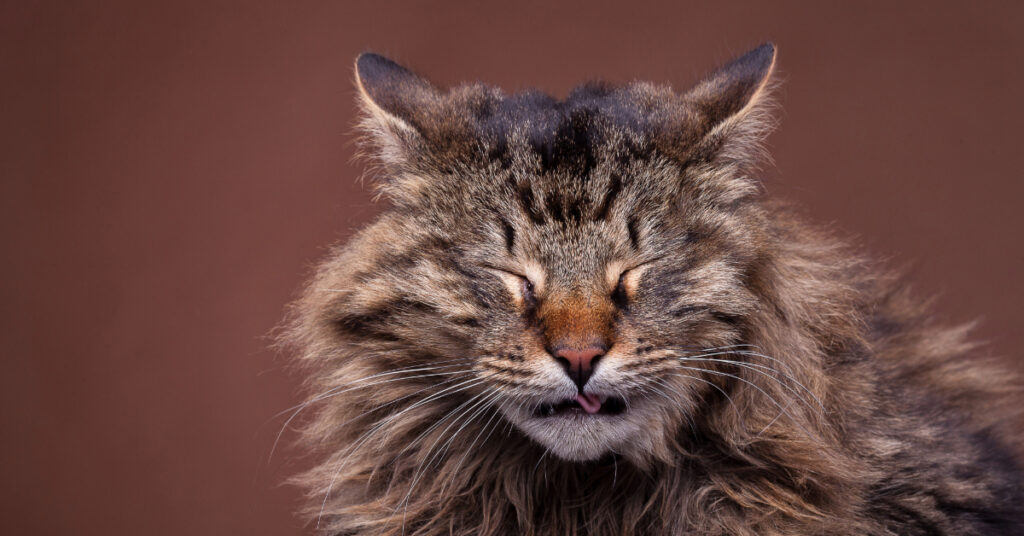
Cat sneezing is something almost every cat owner notices sooner or later, and one or two sneezes here and there is rarely cause for alarm. Cats sneeze for many of the same reasons people do, from dust and dry air to a passing irritant that clears out in a moment. The real question is when occasional cat sneezing turns into something that needs professional attention. Our team at Little Silver Animal Hospital hears this question often, especially during seasonal changes when allergens and dry indoor air are more common. In this blog, we’ll cover the everyday causes of cat sneezing, the warning signs that point to something more serious, and what to expect if a vet visit becomes necessary.
What Are Some Common Causes of Cat Sneezing?
Most cat sneezing has a simple, harmless explanation, and figuring out the likely cause often comes down to noticing patterns around when and where it happens. A single sneeze during a dusty cleaning session looks very different from repeated sneezing that shows up every day, and paying attention to context is often the fastest way to narrow things down.
Environmental Irritants and Allergens
Household dust, scented candles, cleaning sprays, and even certain cat litters can trigger cat sneezing in an otherwise healthy cat. Seasonal allergens like pollen can drift indoors through open windows, and strong fragrances from air fresheners or perfume are a surprisingly common culprit. Cats have sensitive nasal passages, so cat sneezing often shows up as a reaction to something in the environment long before it points to an actual illness. Switching to unscented litter or cutting back on heavily fragranced products is often enough to see whether the sneezing settles down on its own.
Dry Air and Temperature Changes
Indoor heating during colder months can dry out the air significantly, and dry nasal passages are more prone to irritation and sneezing. Cat sneezing tends to increase during these seasonal shifts, particularly in homes without much added humidity. A humidifier in a cat’s favorite room can sometimes reduce how often this type of sneezing occurs, and many owners notice the pattern lines up closely with when the heat or air conditioning kicks on for the season.
When Cat Sneezing Signals an Upper Respiratory Infection
Cat sneezing becomes more concerning when it’s frequent, persistent, or paired with other symptoms. Upper respiratory infections are one of the most common reasons cats end up at the vet for sneezing that won’t let up, and they’re worth understanding since they’re so widespread among household cats.
Recognizing the Signs of Infection
Feline upper respiratory infections often start with cat sneezing but rarely stop there. Watch for these accompanying symptoms, which suggest something beyond simple irritation:
- Thick or colored nasal discharge, rather than clear and occasional drainage
- Watery or crusty eyes alongside the sneezing
- Reduced appetite, lethargy, or a noticeable drop in energy
These infections are often viral, and much like a cold in people, they tend to run their course over one to two weeks with supportive care from a veterinary team.
Why Cats Are Especially Prone to These Infections
Cats housed in multi-cat environments, shelters, or households with a recent new arrival are more likely to develop an infection that causes ongoing cat sneezing. Stress can also weaken a cat’s immune response, making sneezing episodes more frequent during a move, a new pet introduction, or another disruptive change at home. Kittens and senior cats tend to be more vulnerable than healthy adult cats, since their immune systems are either still developing or naturally less resilient. Cats who have previously had an upper respiratory infection can also carry a dormant version of the virus that flares back up during periods of stress, which is why recurring cat sneezing sometimes shows up years after an initial illness.
Other Medical Causes Behind Cat Sneezing
Beyond allergens and infections, a handful of other medical issues can cause cat sneezing, and some of them require a more involved diagnostic process to identify. Little Silver Animal Hospital often walks pet owners through these possibilities when sneezing doesn’t resolve on its own.
Dental Disease and Nasal Connections
A cat’s upper teeth sit close to the nasal cavity, and dental infections or abscesses can sometimes cause cat sneezing as a secondary symptom. This connection surprises many pet owners, since dental issues aren’t always obvious without a closer look at the mouth and gums. Bad breath alongside sneezing is often a clue that dental disease deserves consideration, and a routine dental exam can sometimes explain sneezing that otherwise looks mysterious.
Foreign Objects and Nasal Growths
Cats that spend time outdoors or explore tall grass are sometimes prone to inhaling a foreign object, like a grass seed or small debris, which can trigger sudden, intense cat sneezing that comes on abruptly. In older cats, persistent one-sided sneezing can occasionally point toward a nasal polyp or growth, which is one more reason ongoing sneezing deserves a proper look rather than a wait-and-see approach.
A few patterns that point toward a more involved cause include:
- Sneezing that’s isolated to one side, especially with blood-tinged discharge
- Sudden, violent sneezing fits after time spent outdoors or in tall grass
- Sneezing that persists for more than a week without improvement
What Should You Do If Your Cat Won’t Stop Sneezing?
Occasional cat sneezing rarely needs a same-day appointment, but persistent or worsening sneezing is worth tracking closely so you can share accurate details with your vet. A clear picture of the pattern makes a real difference during the exam.
Signs That Warrant a Vet Visit
Reach out to Little Silver Animal Hospital if cat sneezing is joined by any of the following:
- Sneezing that continues daily for more than a few days
- Nasal discharge that’s thick, colored, or has a foul odor
- Any loss of appetite, lethargy, or visible discomfort around the face
Cats are known for hiding discomfort well, so even subtle changes alongside cat sneezing are worth mentioning during a visit rather than dismissing them as unrelated.
What to Track Before You Call
Before calling, jot down when the sneezing started, how often it happens, and whether anything new was introduced at home, such as a new litter, candle, or cleaning product. This information helps our team narrow down whether cat sneezing is likely environmental or something that needs a closer exam, and it can shorten the time it takes to reach an answer. It’s also worth noting whether your cat has been outdoors recently, whether any other pets in the household are showing similar symptoms, and whether the sneezing seems worse at a particular time of day. A short video of a sneezing episode can be a genuinely useful tool during a phone call or appointment, since it gives the veterinary team a clear picture of exactly what’s happening rather than relying on a secondhand description alone.
Cat Sneezing: Knowing the Difference Between Normal and Needing Help
Most cat sneezing is a passing reaction to something in the environment, and it clears up on its own without any lasting concern. The behavior becomes worth watching closely once it turns frequent, one-sided, or paired with discharge, appetite changes, or visible discomfort around the face or eyes.
Little Silver Animal Hospital is here for pet owners throughout Little Silver, NJ who notice a change in their cat’s sneezing pattern. A quick call can help sort out whether it’s simply seasonal dust or something that deserves a closer look before it progresses any further. Call us at (732) 842-8266 or book an appointment online. Trusting your own observations matters here, since you know your cat’s normal habits better than anyone, and a change from that baseline is often the clearest signal of all. Bringing a few notes and a bit of patience to the conversation goes a long way toward getting the right answer quickly.