A swollen dog paw tends to catch owners off guard, especially when a dog was walking normally just hours earlier. Paws take on a lot of daily wear, which makes them one of the more common places for swelling, limping, or sensitivity to show up. The cause can range from something minor that resolves on its own to an issue that needs prompt veterinary attention. At Little Silver Animal Hospital, our team sees swollen dog paw cases regularly, from simple splinters to more involved infections. Below, we’ll walk through the most common causes, how to tell whether it’s an emergency, and what pet owners can expect from a vet visit, so you know exactly what to do the next time it happens.
Common Causes of a Dog’s Swollen Paw
A swollen dog paw usually traces back to one of a handful of common culprits, and narrowing down the likely cause often starts with a close look at the paw itself and a bit of recent history, such as where your dog has been walking or playing that day.
Injuries, Stings, and Foreign Objects
Cuts, punctures, and embedded objects like thorns or splinters are among the most frequent reasons behind a swollen dog paw. Insect stings and bites, particularly from bees or wasps, can cause sudden swelling in a single toe or across the whole paw. Walking on hot pavement or rough terrain can also lead to burns or abrasions that swell as the skin reacts to the damage. In many cases, a swollen dog paw from an injury shows up alongside limping, licking, or visible sensitivity when the area is touched, and the swelling itself can develop within minutes of the incident or build gradually over the following hours.
Infections and Allergic Reactions
Bacterial or fungal infections can develop after a minor cut goes unnoticed, leading to a swollen dog paw that gradually worsens over a day or two. Allergic reactions, whether from a new food, a plant, or a chemical on the ground like fertilizer or de-icing salt, can also cause swelling that comes on relatively quickly. Autoimmune conditions and less common causes, such as a broken toe or nail bed injury, round out the list of possibilities a vet will typically consider during an exam.
Is a Swollen Dog Paw an Emergency?
Not every swollen dog paw requires an immediate trip to the vet, but certain signs point toward a situation that shouldn’t wait.
Signs That Need Immediate Attention
Some presentations of a swollen dog paw call for urgent care rather than a wait-and-see approach. Call Little Silver Animal Hospital at (732) 842-8266 right away if you notice any of the following:
- Rapid or severe swelling that seems to be getting worse quickly
- An open wound, visible bone, or heavy bleeding
- Your dog is unable to put any weight on the paw at all
- Signs of an allergic reaction elsewhere on the body, such as facial swelling or difficulty breathing
These situations suggest something more serious than a minor irritation and benefit from prompt evaluation.
When It’s Likely Not an Emergency
A swollen dog paw that’s mild, isolated to one area, and not paired with other symptoms is often less urgent, though it still deserves a phone call and a scheduled visit rather than being ignored. Dogs that are eating normally, bearing some weight on the paw, and otherwise acting like themselves usually have a bit more time before things need to be addressed, though “a bit more time” still means the same day or the next, not an extended wait. Keeping an eye on the paw over the following few hours, watching for any change in size, color, or how your dog is walking, can help you decide how quickly to move things along.
What Happens During a Vet Visit for a Swollen Paw?
Once you bring your dog in, our veterinary team follows a fairly consistent process to figure out what’s behind a swollen dog paw and how best to address it.
The Exam and Diagnostic Process
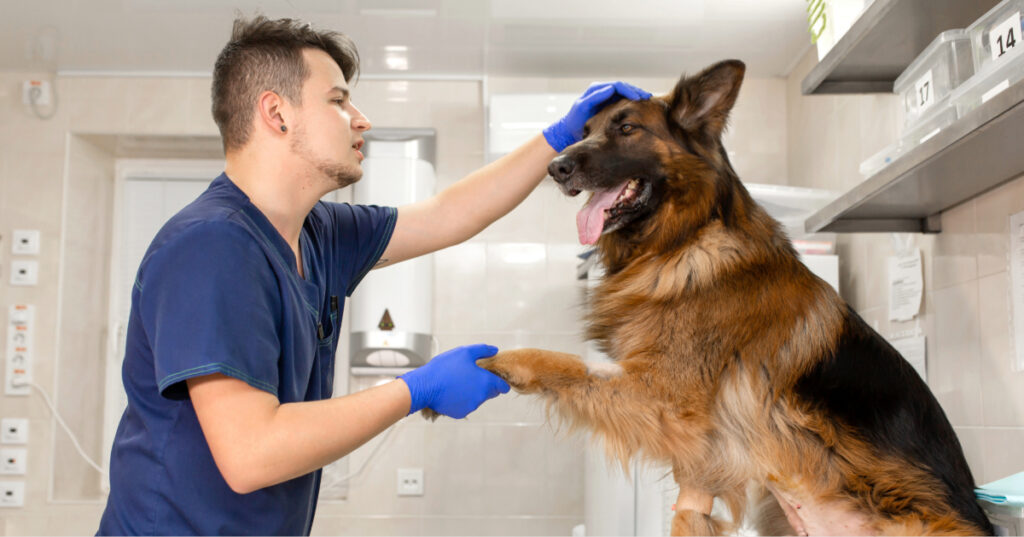
A thorough paw exam usually starts with a visual inspection and gentle palpation to locate the source of swelling and check for embedded objects, cuts, or areas of heat and pain. Depending on what’s found, our team at Little Silver Animal Hospital may recommend X-rays to check for a fracture, a sample to test for infection, or bloodwork if an allergic reaction or systemic issue is suspected. The dog’s overall demeanor during the exam, including how much weight they can bear and how they react to palpation, also gives our team useful clues about the severity of a swollen dog paw before any imaging is even done.
What a Vet Might Recommend Next
Depending on the underlying cause, next steps for a swollen dog paw can range from removing a foreign object and cleaning the wound to prescribing medication for an infection or allergic reaction. More involved injuries, like fractures or deep wounds, may require additional care such as splinting or, in some cases, a referral for further treatment. The exact plan always depends on the specific findings from the exam, and the team will walk through the reasoning behind each recommendation so you understand exactly what’s happening and why.
How Can You Support Your Dog While You Wait for Care?
While you’re waiting for an appointment, there are a few general ways to help keep your dog comfortable and prevent a swollen dog paw from getting worse before the visit.
Limiting Movement and Preventing Further Irritation
Keeping your dog calm and limiting how much walking or running they do can help avoid additional stress on an already swollen dog paw. An e-collar or a similar barrier can help stop excessive licking or chewing, which tends to slow healing and can introduce more irritation to the area. Avoid letting your dog on rough or uneven surfaces until the paw has been evaluated. A quiet, low-traffic space in the house where your dog can rest away from stairs or other pets often makes the wait more comfortable for everyone involved.
When to Call the Vet Right Away
If swelling increases noticeably, your dog stops eating, or new symptoms appear while you’re waiting, don’t hesitate to call Little Silver Animal Hospital sooner than your scheduled appointment. It’s always better to check in than to assume things will resolve without professional input. Trust your instincts here, since you’re the one who knows what’s normal for your dog day to day, and a quick phone call costs far less time than waiting to see whether a swollen dog paw gets worse overnight.
A Swollen Paw Doesn’t Have to Mean a Long Wait for Answers
A swollen dog paw can stem from something as simple as a splinter or as involved as an infection or fracture, and the right response depends heavily on what’s actually causing it. Paying attention to how quickly the swelling appeared, whether your dog can bear weight, and whether any other symptoms are present goes a long way toward figuring out how urgent the situation really is.
Little Silver Animal Hospital can help pet owners across Little Silver, NJ get answers quickly when a swollen paw shows up unexpectedly. Call us at (732) 842-8266 or book an appointment online today. A prompt exam takes the guesswork out of the situation and gets your dog on the path to feeling better, and knowing what to watch for in the meantime makes the whole process a little less stressful for both of you.