
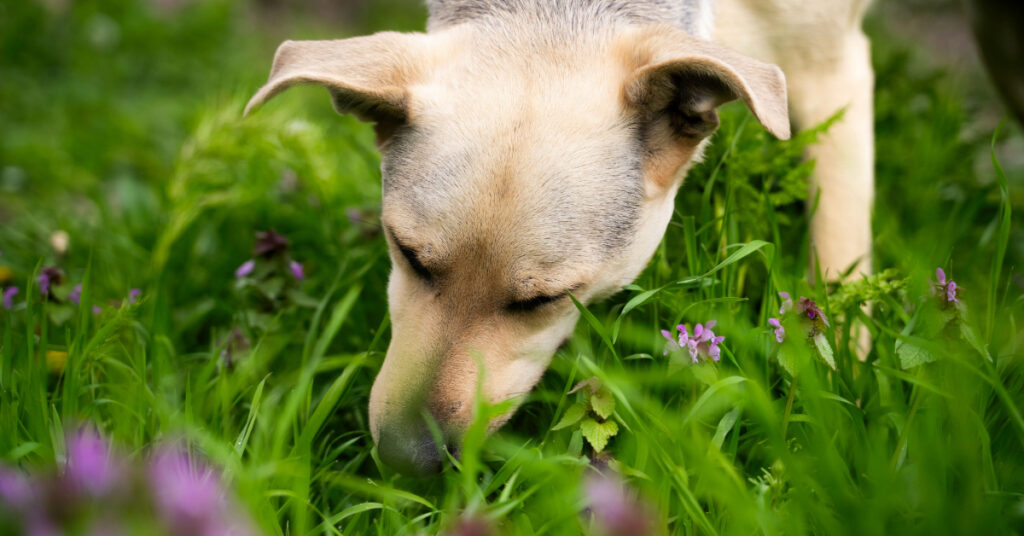
Dog eating grass is one of the most common behaviors pet owners ask about, and the short answer is that it’s usually normal. Dogs have been grazing on lawns, parks, and trail edges for as long as they’ve lived alongside people, and in most cases it doesn’t signal anything urgent. Still, the habit raises real questions: is it boredom, an upset stomach, missing nutrients, or something else entirely? Little Silver Animal Hospital fields this question regularly from local pet owners who notice their dog nibbling the yard every walk. This blog breaks down the leading theories behind dog eating grass, when the behavior crosses into a concern, and what steps to take if it changes suddenly.
Common Reasons Behind Dog Eating Grass
There isn’t one single explanation for dog eating grass, and researchers who study canine behavior haven’t settled on a single cause either. Most veterinary behaviorists point to a mix of instinct, taste, and habit rather than any one dramatic reason, and understanding the range of possibilities helps put the behavior in perspective.
Instinct and Ancestral Behavior
Wild canines have been documented eating plant matter for generations, and some experts believe a dog eating grass is simply an inherited trait passed down from wolf ancestors who supplemented their diet with vegetation. This doesn’t mean a dog is missing something essential from its meals. It’s more likely a leftover behavior that never disappeared through domestication, similar to circling before lying down or digging at bedding. Domestic dogs share the vast majority of their genetic makeup with wild canines, and many everyday habits, including dog eating grass, trace back to instincts that never fully faded even after thousands of years of breeding.
Taste, Texture, and Simple Enjoyment
Plenty of dogs seem to genuinely enjoy the taste or texture of fresh grass, especially in spring when blades are tender and full of moisture. Dog eating grass in this context looks casual and relaxed, often happening during a slow sniff around the yard rather than in a rushed or frantic way. Some dogs treat grass almost like a snack on a walk, grazing a few blades and moving on without any other symptoms. Owners often describe this version of the behavior as almost meditative, with the dog pausing mid-walk to select specific blades rather than eating indiscriminately. This selective grazing pattern is one more clue that taste and sensation, not distress, are driving the behavior in most everyday cases.
Is Dog Eating Grass a Sign of an Upset Stomach?
One of the most persistent theories is that dogs eat grass to settle their stomach or induce vomiting, but the science here is less clear-cut than most pet owners assume. Studies have found that only a small percentage of dogs actually vomit after eating grass, which suggests self-medication isn’t the whole story pet owners have long believed.
What the Research Actually Shows
Surveys of dog owners and veterinary researchers have found that dog eating grass happens in healthy dogs just as often as it happens in dogs with digestive issues. Most dogs observed eating grass showed no signs of illness before or after the behavior, which challenges the old assumption that grass eating is always tied to nausea. In fact, some of the same research found that dogs rarely show signs of sickness before grazing, which further weakens the idea that grass is primarily a self-medicating tool. Younger dogs also tend to eat grass more frequently than older dogs, another detail that points toward curiosity and exploration rather than illness as the driving factor.
When It Might Signal Something More
That said, a sudden increase in a dog eating grass, especially paired with other symptoms, is worth paying attention to. Watch for these accompanying signs:
- Frequent vomiting after grass consumption, rather than occasional or no vomiting at all
- Lethargy, appetite loss, or noticeable weight changes alongside the grass eating
- Diarrhea, excessive drooling, or repeated lip-licking that suggests nausea
If any of these show up together, it’s worth a call to Little Silver Animal Hospital rather than assuming the grass eating alone explains everything. A pattern of symptoms tells a much clearer story than the grass eating on its own ever could.
Nutritional and Behavioral Factors to Consider
Beyond instinct and taste, some cases of a dog eating grass tie back to diet, boredom, or anxiety. These factors are worth ruling out, particularly if the behavior seems to intensify over time or shows up alongside other changes at home, since a shift in routine often shows up as a shift in behavior first.
Diet Gaps and Fiber Needs
Some veterinary nutritionists suspect that dogs on lower-fiber diets may seek out grass as a way to add roughage. While this theory hasn’t been definitively proven, switching a dog’s food is not something to do without guidance, since sudden diet changes can cause their own digestive upset. A conversation about current food and portion sizes is often a useful starting point, particularly for dogs whose dog eating grass habit seems to track closely with mealtime or hunger cues rather than walks or outdoor time.
Boredom, Anxiety, and Environmental Triggers
Dogs left alone in a yard for long stretches, or dogs without much mental stimulation, sometimes turn to grass eating simply because there’s little else to do. In these cases, dog eating grass functions more like a habit or a coping mechanism than a physical need. Increasing walks, adding puzzle toys, or building in more structured playtime can sometimes reduce how often the behavior shows up. Dogs experiencing separation anxiety or a recent change in household routine, such as a move or a new pet, may also show an uptick in grass eating as a self-soothing behavior similar to pacing or chewing.
A few environmental patterns worth noticing include:
- Grass eating that spikes during long periods of isolation or after a change in routine
- A dog that grazes constantly on walks but rarely at home, suggesting a stimulation-seeking pattern
- Grass eating paired with other repetitive behaviors like excessive licking or pacing
What Should You Do If Your Dog Won’t Stop Eating Grass?
Occasional dog eating grass rarely needs intervention, but persistent or intense grazing deserves a closer look, especially if your yard or walking routes aren’t guaranteed to be chemical-free. Knowing what to check first can save a lot of guesswork later.
Ruling Out Treated Lawns and Toxic Plants
Before assuming the behavior is purely behavioral, consider what’s actually growing in the areas your dog frequents. Lawns treated with pesticides or herbicides can turn an otherwise harmless habit into a real exposure risk. Little Silver Animal Hospital recommends checking with neighbors, parks, or your own lawn service about recent treatments if your dog grazes somewhere new, and steering your dog away from any area with posted treatment signs until enough time has passed for the product to fully clear.
When to Reach Out to Your Little Silver Vet
Reach out to Little Silver Animal Hospital if dog eating grass is accompanied by any of the following:
- A sudden, dramatic increase in how much grass your dog is eating
- Vomiting that happens frequently rather than occasionally
- Any known or suspected exposure to treated lawns, mulch, or garden chemicals
A brief exam can rule out underlying digestive issues and give you peace of mind about whether the behavior needs any further attention, and it gives our team a chance to review diet and routine together rather than guessing at a single cause.
Grass Eating in Context: What Most Dogs Are Really Telling You
For the vast majority of dogs, grass eating is simply part of being a dog. It’s a behavior rooted in instinct, curiosity, and sometimes plain enjoyment, and it rarely points to anything urgent on its own. Dog eating grass becomes more noteworthy when it changes suddenly, intensifies, or shows up alongside other symptoms that suggest discomfort, rather than as an isolated habit during an ordinary walk.
Little Silver Animal Hospital encourages pet owners in Little Silver, NJ to trust their instincts here. If the behavior feels different from your dog’s normal pattern, a quick conversation with our team can help sort out whether it’s worth a closer look or simply one more quirky, harmless habit your dog has always had. Call us at (732) 842-8266 or book an appointment online!