Dog reverse sneezing looks alarming the first time you see it, and most owners assume something is seriously wrong. In reality, this odd, snorting episode is usually a harmless reflex rather than an emergency, though it can be startling to witness. Little Silver Animal Hospital fields calls about dog reverse sneezing regularly, often from owners who caught their dog mid-episode and weren’t sure whether to panic or wait it out. The behavior can happen at any age and in dogs of any size, though certain breeds and situations make it more likely to show up. This blog explains what’s actually happening during a reverse sneeze, why it occurs, how it’s diagnosed, and what pet owners can expect if it becomes a recurring issue.
What Is Reverse Sneezing?
Dog reverse sneezing is a rapid, repeated inhalation through the nose that produces a loud snorting or honking sound, unlike a regular sneeze that pushes air outward. During an episode, a dog typically stands still, extends its neck, and makes a series of forceful, rhythmic snorts that can last anywhere from a few seconds to a minute or so. The sound alone is often what sends owners searching online for answers in the middle of an episode.
How It Differs From a Regular Sneeze
A standard sneeze expels air and irritants out through the nose in a single burst. Dog reverse sneezing works in the opposite direction, pulling air rapidly inward as the throat and soft palate spasm. The sound is often mistaken for choking, gagging, or even an asthma attack, which is why so many first-time witnesses call their vet in a panic. Unlike choking, a dog experiencing dog reverse sneezing is still able to breathe throughout the episode and remains alert and responsive the entire time.
What an Episode Typically Looks Like
Most episodes of dog reverse sneezing follow a recognizable pattern that owners learn to spot quickly. Common signs during an episode include:
- Standing with the neck extended and elbows pointed outward
- Loud, rapid snorting sounds through the nose
- An episode lasting anywhere from a few seconds to about a minute before resolving on its own
Once the episode ends, most dogs act completely normal, resuming play or rest without any lingering effects. Many owners report that their dog seems entirely unbothered afterward, which is often the most reassuring sign that nothing serious occurred.
What Causes the Reverse Sneeze?
Dog reverse sneezing happens when the soft palate and throat become irritated, triggering a muscle spasm that causes the rapid inward breathing pattern. A wide range of everyday triggers can set this off in an otherwise healthy dog, and identifying a dog’s personal triggers can sometimes help reduce how often episodes occur.
Everyday Irritants and Triggers
Dust, pollen, household cleaners, perfume, and even excitement or overexertion can all trigger dog reverse sneezing in susceptible dogs. Eating or drinking too quickly is another common trigger, since it can irritate the throat in a similar way. Dogs that pull hard on a leash or collar sometimes experience an episode immediately afterward, since pressure on the throat can contribute to the spasm. Switching to a harness instead of a collar is a change some owners make after noticing this particular pattern repeat itself on walks.
Which Dogs Are More Prone to It
Small and brachycephalic breeds, meaning dogs with shorter noses like Pugs, Boston Terriers, and French Bulldogs, tend to experience dog reverse sneezing more often than larger breeds with longer snouts. Their narrower airways and elongated soft palates make them more susceptible to irritation. Seasonal allergy sufferers among dogs also tend to notice episodes cluster during high-pollen months, mirroring the pattern seen in cat or human allergy sufferers. Puppies can also experience frequent episodes as their airway structures continue developing, and most tend to see the frequency decrease with age.
How Is a Reverse Sneeze Diagnosed?
Dog reverse sneezing is typically diagnosed based on a description or video of the episode rather than extensive testing, since the pattern is usually distinctive enough to identify without invasive procedures.
What Little Silver Animal Hospital Looks For During an Exam
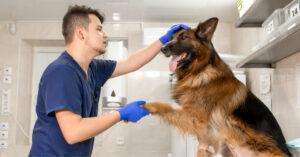
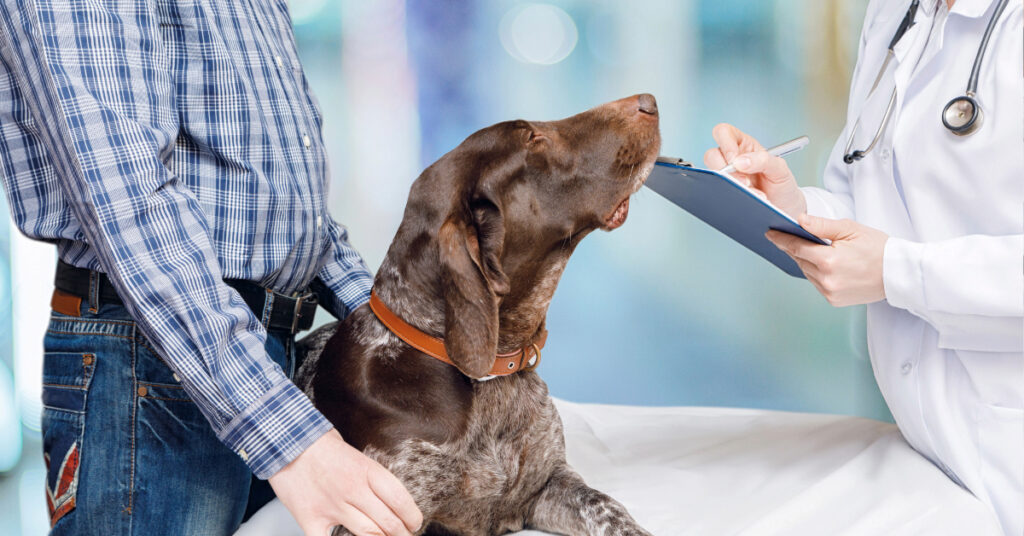
When a pet owner brings up dog reverse sneezing during a visit, our team typically starts by ruling out other causes of respiratory noise, such as a collapsing trachea, nasal obstruction, or an infection. A physical exam, a review of when episodes happen, and sometimes a video from the owner are usually enough to confirm a classic reverse sneezing pattern. Bringing a recording of an actual episode is one of the most helpful things an owner can do, since the sound and posture are often distinctive enough to settle the question on the spot.
When Further Testing Might Be Needed
In cases where dog reverse sneezing happens unusually often, lasts far longer than typical, or is accompanied by other symptoms, further testing may be recommended. Situations that often prompt a closer look include:
- Episodes that happen multiple times a day or seem to be increasing in frequency
- Nasal discharge, bleeding, or a persistent cough alongside the reverse sneezing
- Any noticeable weight loss, lethargy, or difficulty breathing outside of episodes
These additional signs help our veterinary team distinguish a harmless reflex from a condition that needs more investigation, and catching a pattern early tends to make any underlying issue easier to manage.
How Is Reverse Sneeze Treated?
Most cases of dog reverse sneezing don’t require any treatment beyond letting the episode pass, since it typically resolves on its own within a minute or so. Little Silver Animal Hospital generally recommends staying calm during an episode, since a dog often picks up on an owner’s anxiety, and a calm environment tends to help episodes resolve more quickly.
When Veterinary Guidance Comes Into Play
For dogs with frequent or prolonged episodes of dog reverse sneezing, a veterinary evaluation can help identify and manage any underlying trigger, such as allergies or chronic irritation. Depending on what’s found, a vet may discuss options tailored to the individual dog’s needs and history, factoring in breed, age, and how often episodes tend to occur.
Long-Term Outlook for Dogs With Reverse Sneezing
The good news is that dog reverse sneezing is rarely dangerous and doesn’t typically shorten a dog’s life or reduce quality of life in any meaningful way. Many dogs experience occasional episodes throughout their lives without any complications. Little Silver Animal Hospital encourages owners to track how often episodes happen and share that pattern at regular checkups, since changes over time are often the most useful piece of information for ongoing monitoring. A dog that has always had occasional reverse sneezing episodes with no other symptoms is generally considered to have a normal, manageable pattern rather than a medical problem requiring intervention.
Reverse Sneezing in Perspective: What Every Dog Owner Should Remember
Dog reverse sneezing can look and sound alarming, especially the first time it happens, but it’s one of the more benign respiratory quirks dogs experience. Understanding the difference between a typical episode and one that warrants a closer look gives owners the confidence to respond calmly rather than panicking every time it occurs.
Little Silver Animal Hospital is always available to pet owners in Little Silver, NJ who want a second opinion after witnessing dog reverse sneezing for the first time, or who notice the pattern changing over time. Call us at (732) 842-8266 or book an appointment online, so our team offer reassurance or point toward next steps. There’s no such thing as an unnecessary question when it comes to your dog’s health. Most owners find that once they understand what’s happening during an episode, the sound stops being frightening and becomes just another familiar part of life with their dog.