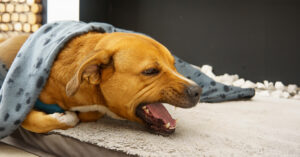
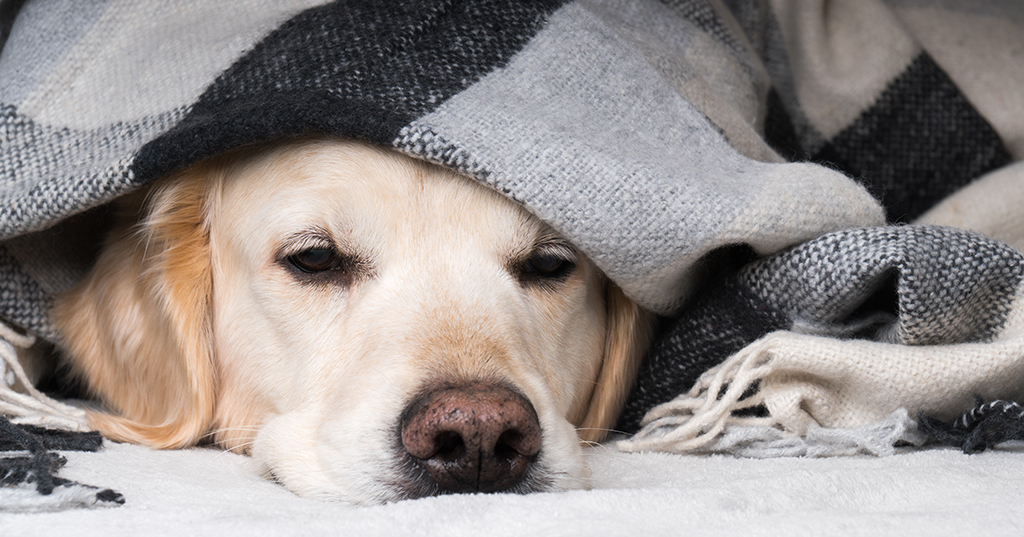
Dogs can’t catch the common cold from people, but they can get their own cold-like respiratory infections caused by canine-specific viruses and bacteria. These illnesses produce familiar symptoms such as sneezing, a runny nose, coughing, and low energy.
If you’ve ever typed “can dogs get colds” into a search bar after hearing your pup sneeze, you’re far from alone. The answer is a little more nuanced than a simple yes or no, and a few common myths can make it harder to know when a sniffle is harmless and when it needs attention. At Little Silver Animal Hospital, we help Monmouth County pet parents sort fact from fiction every cold and flu season. In this article, we explain what a “dog cold” really is, how dogs pick up respiratory germs, which signs to watch for, how veterinarians diagnose and treat these infections, and what you can do to lower your dog’s risk.
Can Dogs Become Sick With the Common Cold?
So, can dogs get colds in the same way people do? Not exactly, and the difference matters.
What a “Dog Cold” Really Means
The human common cold usually comes from rhinoviruses, which are adapted to people and don’t typically infect dogs. However, dogs have their own set of respiratory germs that cause very similar illnesses. Veterinarians often group these under the name canine infectious respiratory disease complex, or CIRDC, which many owners know as kennel cough. Common culprits include canine parainfluenza virus, canine adenovirus type 2, canine respiratory coronavirus, canine influenza, and the bacterium Bordetella bronchiseptica.
When owners ask, “can dogs get colds,” what they’re usually describing is one of these upper respiratory infections. Most cases are mild, but some can progress to pneumonia, especially in puppies, seniors, and flat-faced breeds.
Can Dogs Get Human Illnesses?
It’s a popular myth that your dog will catch your cold if you cuddle on the couch while you’re sick. Human cold viruses rarely, if ever, cause illness in dogs. A small number of infections can cross between species, such as certain strains of influenza and some bacterial infections, but these cases are uncommon. Practicing good hygiene when anyone in the household is ill is still a sensible habit for people and pets alike.
Separating Myths From Facts
Several other misconceptions shape how owners answer the question “can dogs get colds.” One of the most widespread is that cold weather itself makes dogs sick. Low temperatures don’t cause respiratory infections; germs do. Long periods in harsh conditions can stress the body, though, so very young, elderly, and short-coated dogs may benefit from limited time outdoors in bitter weather.
Another myth holds that a warm, dry nose means a dog is ill. Nose temperature and moisture shift throughout the day and aren’t a reliable health indicator. Appetite, energy level, breathing, and discharge from the eyes or nose tell you far more about how your dog actually feels.
How Do Dogs Catch Colds, and What Are the Signs?
Dogs pick up respiratory infections mostly through contact with other dogs, and the symptoms often look a lot like a human cold. Understanding how these germs move between pets turns “can dogs get colds” from an abstract question into something you can plan around.
How These Infections Spread
Canine respiratory germs travel easily, which is one reason the question “can dogs get colds” comes up so often after a busy weekend. Dogs commonly catch these infections through:
- Airborne droplets released when an infected dog coughs, sneezes, or barks
- Nose-to-nose greetings at parks, on walks, or during playdates
- Shared water bowls, toys, and bedding
- Contaminated surfaces in boarding kennels, grooming salons, and daycare facilities
- Contact with a dog that seems healthy but is still shedding germs
Cold Symptoms in Dogs
If you’re wondering “can dogs get colds” because your pup seems under the weather, sneezing is usually the first clue. Signs typically appear within a few days to a week after exposure. You may notice sneezing, a clear or cloudy nasal discharge, watery eyes, a dry or honking cough, reduced appetite, mild lethargy, or a low-grade fever. Some dogs act almost completely normal apart from occasional sneezing, while others feel noticeably run down. Symptoms in otherwise healthy adult dogs often peak within the first week and then gradually fade.
Thick yellow or green discharge, labored breathing, or a dog that stops eating can point to a more serious infection that needs prompt veterinary care.
How Are Colds in Dogs Diagnosed and Treated?
A veterinary visit confirms whether your dog has a simple respiratory infection or something that needs closer attention.
The Diagnostic Process
Your veterinarian will start with a physical exam, listening to the heart and lungs, checking the nose, eyes, and throat, and taking your dog’s temperature. They’ll also ask about recent boarding, grooming, or dog park visits, since exposure history is one of the strongest clues.
Because the real answer to “can dogs get colds” depends on which germ is involved, pinpointing the cause can matter. For mild cases, the exam and history may be enough. If your dog has a fever, seems very unwell, or isn’t improving, your veterinarian may recommend chest X-rays to check for pneumonia, bloodwork to evaluate the immune response, or a respiratory PCR panel that identifies the specific virus or bacteria involved. These results help rule out conditions that can mimic a cold, such as allergies, nasal foreign objects, dental infections, or heart disease.
Treatment Options
For most owners asking “can dogs get colds,” the reassuring news is that many dogs with mild respiratory infections recover within one to three weeks with rest and monitoring under a veterinarian’s guidance. Because most of these illnesses are viral, antibiotics aren’t always necessary. When a bacterial infection is present or a complication develops, your veterinarian may prescribe medication tailored to your dog’s diagnosis. Dogs that develop pneumonia sometimes need hospitalization for fluids, oxygen therapy, and closer observation.
Never give your dog human cold or flu medicine. Many decongestants and pain relievers are toxic to pets, so always check with your veterinarian before offering any product.
How Can You Help Prevent Colds in Dogs?
You can’t eliminate every germ, but a few smart habits greatly reduce how often the “can dogs get colds” question becomes a real concern in your home.
Vaccines and Everyday Habits
Vaccination is one of the most effective tools available. The core DAPP vaccine protects against canine adenovirus type 2 and parainfluenza, and your veterinarian may also recommend Bordetella and canine influenza vaccines based on your dog’s lifestyle. Beyond vaccines, consider these prevention habits:
- Choose boarding and daycare facilities that require up-to-date vaccinations
- Bring your own water bowl to parks and avoid communal bowls
- Skip group dog activities when local outbreaks are reported
- Keep a sick dog home and away from other pets until a veterinarian clears them
- Schedule annual wellness exams so your veterinarian can keep vaccines current and spot health changes early
Dogs at Higher Risk
Puppies, senior dogs, brachycephalic breeds like Bulldogs and Pugs, and dogs with heart or lung conditions face a greater chance of complications. If your dog falls into one of these groups, talk with your veterinarian about extra precautions during peak travel and boarding seasons. For these pets, “can dogs get colds” is more than a curiosity, since a minor infection can become serious faster.
When to Call Your Veterinarian in Little Silver, NJ
Knowing the answer to “can dogs get colds” is only half the picture. The other half is recognizing when a sniffle has turned into something more serious. Call your veterinarian if symptoms last longer than a few days, if your dog stops eating, or if you notice colored nasal discharge, a worsening cough, or lethargy. Labored breathing, blue or pale gums, or collapse require emergency care right away.
The team at Little Silver Animal Hospital welcomes dogs from Little Silver, Oceanport, Shrewsbury, Rumson, and the surrounding area for respiratory exams, vaccinations, and wellness care. If you’re still asking “can dogs get colds” after reading this guide, our veterinarians are happy to answer your questions in person. Whether your dog has a lingering sneeze or you’d like to update their vaccine plan before boarding season, we’re glad to help. Call Little Silver Animal Hospital at (732) 842-8266 to schedule an appointment.