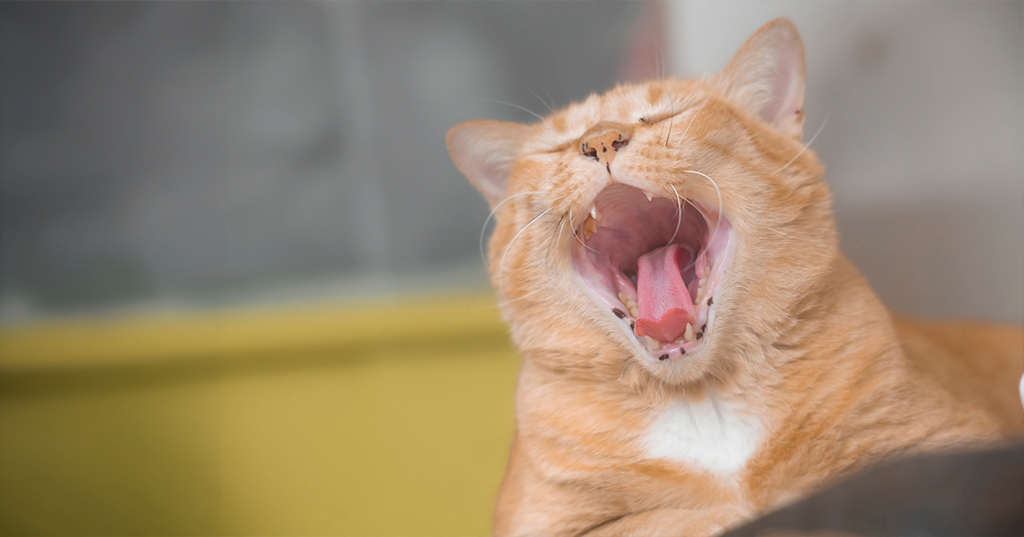
Cat bad breath is most often caused by dental disease, specifically the buildup of plaque and tartar that feeds odor-producing bacteria along the gumline. Less often, a foul smell from your cat’s mouth points to a health problem elsewhere in the body, such as kidney disease, diabetes, or an oral injury.
Many owners first notice the smell during a cuddle or a big yawn and brush it off as normal “fish breath.” While no cat’s mouth will ever smell like peppermint, a strong, lingering, or worsening odor is not something to ignore. At Little Silver Animal Hospital, our veterinary team regularly helps Monmouth County families get to the bottom of cat bad breath and restore their pets’ comfort. In this guide, we explain what feline halitosis is, which signs tend to show up alongside it, what triggers it, and how veterinarians diagnose and treat the problem. We also cover what recovery looks like and how you can partner with your vet to protect your cat’s mouth for years to come.
What Is Cat Bad Breath, and What Signs Come With It?
Cat bad breath, known medically as halitosis, is an unusually strong or unpleasant odor coming from the mouth that doesn’t go away after your cat eats or drinks.
Defining Halitosis in Cats
A healthy cat’s breath has a faint smell that usually reflects whatever they ate last. Cat bad breath is different. The odor is persistent, often sour or rotten, and it can grow noticeably worse over weeks or months. In most cases, the smell comes from sulfur compounds released by bacteria living in plaque, inflamed gum tissue, or infected teeth.
Because cats are experts at hiding pain, cat bad breath is sometimes the only early clue that something is wrong. A cat with a painful tooth may still eat, groom, and play as usual, which makes the odor an important signal worth paying attention to.
Symptoms That Often Accompany an Unpleasant Odor
Cat bad breath rarely shows up alone. Watch for these related changes, which can help your veterinarian narrow down the cause:
- Red, swollen, or bleeding gums
- Yellow or brown buildup on the teeth
- Drooling, sometimes tinged with blood
- Pawing at the face or mouth
- Chewing on one side, dropping food, or eating more slowly
- Reduced appetite or weight loss
- Increased thirst or urination
- A messy, unkempt coat from reduced grooming
If you spot any of these alongside cat bad breath, it’s a good time to book an exam rather than wait for your next routine visit.
What Causes Bad Breath in Cats?
The causes of cat bad breath range from common gum disease to serious conditions that affect organs far from the mouth.
Dental and Oral Disease
Periodontal disease is the leading culprit. Plaque forms on the teeth within hours of eating, then hardens into tartar that traps bacteria beneath the gumline. Over time, this leads to gingivitis, gum recession, and loss of the structures that hold teeth in place. Most cats show some degree of dental disease by age three, which explains why cat bad breath is so widespread.
Other oral problems can also trigger cat bad breath. Tooth resorption, a painful condition in which a tooth’s structure breaks down from the inside, is especially common in cats. Feline stomatitis, a severe inflammation of the mouth’s soft tissues, can cause intense pain and a very foul smell. Broken teeth, abscesses, and oral tumors belong on the list as well.
Health Problems Beyond the Mouth
Sometimes cat bad breath has nothing to do with your cat’s teeth. Several systemic conditions can change the scent of a cat’s breath:
- Kidney disease: Waste products that build up in the blood can create an ammonia-like or urine-like odor.
- Diabetes: Some cats with uncontrolled diabetes develop sweet or fruity-smelling breath.
- Liver disease: A musty odor, sometimes paired with yellowing of the gums or eyes, may suggest liver trouble.
- Foreign objects: String, thread, or plant material lodged in the mouth or throat can trigger infection and odor.
- Upper respiratory or sinus infections: Nasal discharge and infection can affect how the breath smells.
Because these conditions look so different from dental disease on the inside, a professional evaluation is the only reliable way to identify what’s behind persistent cat bad breath.
How Do Veterinarians Diagnose and Treat Cat Bad Breath?
Diagnosing cat bad breath starts with a thorough exam and moves to targeted testing based on what the veterinarian finds.
The Diagnostic Process
Your veterinarian will begin with a complete physical exam and a careful look inside your cat’s mouth, checking the teeth, gums, tongue, and throat. They’ll also ask about appetite, water intake, weight changes, and behavior at home, since these details often point toward the source of cat bad breath.
If the cause isn’t obvious, or if your cat is a senior, the veterinarian may recommend bloodwork and a urinalysis. These tests screen for kidney disease, diabetes, liver problems, and other conditions that affect the breath. They also help confirm that your cat is healthy enough for anesthesia if dental treatment is needed.
Much of the dental disease in cats hides below the gumline, where no one can see it during an awake exam. Dental X-rays taken under general anesthesia reveal tooth resorption, root infections, and bone loss that would otherwise go undetected.
Treatment Depends on the Source
When dental disease is responsible, the standard approach is a professional cleaning performed under anesthesia. The veterinary team removes plaque and tartar above and below the gumline, polishes the teeth, and evaluates each tooth individually. Badly damaged or resorbing teeth are often extracted, which relieves pain and removes a major source of odor. Cat teeth cleaning at Little Silver Animal Hospital includes this full evaluation so problems are addressed rather than simply covered up.
If testing uncovers a systemic illness such as kidney disease or diabetes, your veterinarian will build a treatment plan focused on managing that condition. In these cases, cat bad breath often improves as the underlying disease comes under control. Any medications or dietary changes should come only from your veterinarian, based on your cat’s specific diagnosis.
What Does Recovery and Long-Term Prevention Look Like?
Most cats bounce back quickly after treatment, and a consistent prevention plan helps stop cat bad breath from returning.
Healing After Dental Treatment
Many cats go home the same day as their dental procedure and return to normal behavior within a day or two. Cats who need extractions typically need a little more healing time, and your veterinarian will send you home with specific discharge instructions tailored to your pet. Follow those instructions closely and attend any recommended recheck appointments so the care team can confirm the gums are healing well.
Owners are often surprised by how much more playful and affectionate their cats become after treatment. That change is a reminder of how much quiet discomfort dental disease can cause.
Habits That Support Lasting Oral Health
Preventing cat bad breath is a long-term team effort between you and your veterinarian. The most effective strategies include:
- Scheduling wellness exams at least once a year, or twice a year for senior cats
- Booking professional dental cleanings as often as your veterinarian recommends
- Asking your vet which at-home dental products suit your cat, and looking for options carrying the Veterinary Oral Health Council (VOHC) seal
- Noting any new changes in breath, appetite, or chewing habits and reporting them promptly
For cats with ongoing conditions like kidney disease or diabetes, regular monitoring visits play a big role in managing both overall health and cat bad breath.
Schedule a Dental Evaluation for Your Cat in Little Silver, NJ
Persistent cat bad breath is your pet’s way of telling you something needs attention, whether that’s tartar buildup, a painful tooth, or a condition affecting another part of the body. The sooner a veterinarian identifies the cause, the sooner your cat can feel comfortable again, and early care often means simpler treatment.
The team at Little Silver Animal Hospital is here to help cats throughout Little Silver, Red Bank, Shrewsbury, and the surrounding Monmouth County communities enjoy healthier mouths and fresher breath. From thorough oral exams and dental X-rays to professional cleanings and ongoing wellness care, we focus on finding answers and building a plan that fits your cat. If you’ve noticed an unusual odor or any of the warning signs above, call Little Silver Animal Hospital at (732) 842-8266 to schedule an appointment today.