Bringing home a new puppy often feels like a mix of excitement, curiosity, and a few unexpected challenges, especially when it comes to puppy potty training. One moment your puppy is exploring their new space, and the next, you’re wondering how to guide them toward the right habits. Puppy potty training is the process of teaching your dog where and when to go to the bathroom, and it sets the foundation for a clean, comfortable home and a confident, well-adjusted pet. With the right approach, consistency, and realistic expectations, you can turn this early learning phase into a positive experience for both you and your puppy. Let’s walk through practical strategies that help you build a routine, avoid common setbacks, and move forward with confidence.
Why Potty Training Is Important for Your Puppy
Puppy potty training shapes your dog’s daily routine and helps them understand expectations in your home. Puppies do not naturally know where they should go, so early guidance gives them structure and reduces confusion. When you approach training with consistency, your puppy begins to associate specific areas and times with bathroom breaks. This clarity can reduce stress for both you and your pet while building trust.
A well-trained puppy also gains confidence. They begin to understand their environment and feel more secure in their routine. This can lead to better behavior overall, as dogs thrive on predictability and clear communication. Potty training also supports hygiene in your home and helps prevent long-term habits that are harder to change later. By starting early and staying consistent, you create a smoother transition into adulthood for your puppy.
Proven Puppy Potty Training Methods
There are several effective puppy potty training methods, and the best approach often depends on your lifestyle and your puppy’s personality. Regardless of the method you choose, consistency and patience drive success. Puppies learn through repetition, so keeping your approach steady helps them understand expectations faster.
Crate Training Basics
Crate training is one of the most widely used puppy potty training techniques because it works with a dog’s natural instincts. Dogs typically avoid soiling their sleeping area, so a properly sized crate can encourage your puppy to hold it until they are taken outside. The crate should be large enough for your puppy to stand, turn around, and lie down comfortably, but not so large that they can use one corner as a bathroom.
When using a crate, establish a routine. Take your puppy outside immediately after letting them out of the crate, and offer praise when they go in the correct spot. Over time, your puppy will begin to connect leaving the crate with going outside to relieve themselves.
Paper or Pad Training
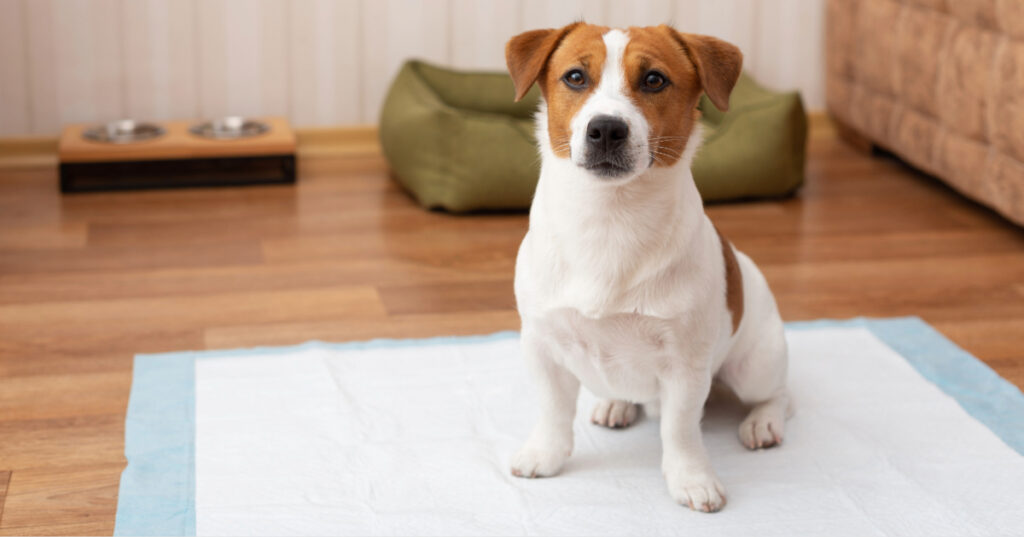
Some pet owners use training pads or paper as a transitional step, especially in apartments or areas where outdoor access is limited. This method teaches your puppy to use a designated indoor spot. While it can be convenient, it may extend the overall potty training timeline if your long-term goal is outdoor bathroom habits. If you choose this method, place pads in a consistent location and gradually move them closer to the door over time. This helps your puppy transition from indoor to outdoor potty habits with less confusion.
Create a Housetraining Schedule for Your Puppy
A consistent schedule is one of the most important parts of successful puppy potty training. Puppies thrive on routine, and a predictable schedule helps them learn when it’s time to eat, play, and go outside. Without structure, accidents are more likely to happen simply because your puppy doesn’t yet know what to expect.
Start by taking your puppy outside first thing in the morning, after meals, after naps, and before bedtime. Young puppies often need to go out every one to two hours, depending on their age. As they grow, they gain better bladder control and can go longer between breaks.
Keep track of your puppy’s habits. Many puppies develop patterns, such as needing to go shortly after eating or during active play. By observing these patterns, you can adjust your schedule to better match your puppy’s needs. Over time, this consistency helps your puppy learn to hold it until their next scheduled outing.
Observing and Supervising Your Puppy
Close supervision plays a key role in puppy potty training. When you actively watch your puppy, you can catch early signs that they need to go outside. These signals may include sniffing the floor, circling, whining, or suddenly stopping play. Recognizing these behaviors allows you to act quickly and guide your puppy to the appropriate spot.
When you cannot supervise directly, consider using a crate or a confined area to limit your puppy’s access to the house. This reduces the chance of accidents and reinforces the idea that there are specific places for bathroom breaks.
Consistency in supervision also helps prevent mixed signals. If your puppy has frequent accidents in different areas, they may struggle to understand where they are supposed to go. By keeping a close eye on them, you create more opportunities to guide them in the right direction and reinforce positive habits.
Controlling Your Dog’s Diet to Support Potty Training
Your puppy’s feeding routine directly affects their potty training progress. Feeding your puppy at the same times each day helps regulate their digestive system, making bathroom breaks more predictable. This predictability allows you to plan outdoor trips more effectively and reduces the likelihood of unexpected accidents.
Avoid leaving food out all day. Scheduled meals create structure and help you monitor how much your puppy is eating. This can also help you notice changes in appetite or digestion that may affect potty habits. Water intake is also important. Provide access to fresh water throughout the day, but consider limiting water intake shortly before bedtime to reduce nighttime accidents. By managing your puppy’s diet and hydration, you create a more predictable routine that supports successful puppy potty training.
Reinforcing Your Puppy for Going Outside
Positive reinforcement is one of the most effective tools in puppy potty training. When your puppy goes to the bathroom in the correct location, respond with immediate praise. This helps them connect the behavior with a positive outcome and encourages them to repeat it.
Timing matters. Praise your puppy right after they finish, so they clearly associate the reward with the action. Delayed reinforcement can confuse them and slow the learning process. Over time, your puppy will begin to understand that going outside leads to positive attention. Consistency in reinforcement builds confidence. When your puppy knows they are doing the right thing, they are more likely to continue that behavior. This creates a smoother training experience and helps establish lasting habits.
Troubleshooting Common Housetraining Problems
Even with a solid plan, puppy potty training can come with challenges. Accidents are a normal part of the learning process, especially in the early stages. The key is to respond calmly and adjust your approach as needed.
Frequent Accidents Indoors
If your puppy is having frequent accidents, it may indicate that they need more frequent outdoor breaks. Revisit your schedule and increase the number of trips outside. Supervision also plays a role here, as missed signals can lead to preventable accidents.
Regression in Training
Some puppies experience setbacks after making progress. Changes in routine, environment, or stress levels can contribute to this. When this happens, return to a more structured schedule and reinforce the basics. Consistency helps your puppy regain confidence and get back on track.
Confusion About Where to Go
If your puppy seems unsure about where to go, it may help to designate a specific outdoor spot. Bringing them to the same area each time can create a strong association and make the process more predictable.
How Long Does Puppy Potty Training Take?
Many pet owners ask how long puppy potty training takes, and the answer can vary. Some puppies begin to understand the routine within a few weeks, while others may take several months to develop consistent habits. Factors such as age, breed, and consistency in training all play a role.
Younger puppies typically need more time because they are still developing bladder control. As they grow, their ability to hold it improves, making training easier. Staying patient and consistent throughout the process helps your puppy build confidence and learn at their own pace.
It’s also important to set realistic expectations. Progress may not always be linear, and occasional accidents can happen even after your puppy seems fully trained. With continued guidance and reinforcement, most puppies successfully learn where and when to go.
Building Better Habits Starts Here
Puppy potty training is a journey that requires patience, consistency, and a clear plan. Each small success builds toward long-term habits that make daily life easier for both you and your puppy. By creating a routine, observing your puppy’s behavior, and reinforcing positive actions, you can guide them through this important stage with confidence.
If you have questions about your puppy’s development or want guidance tailored to your pet, the team at Little Silver Animal Hospital in Little Silver, NJ can help. Call (732) 842-8266 or book an appointment online to connect with a veterinary team that understands the early stages of puppy care and training.