Cats are fastidious groomers, and while this trait helps them stay clean, it often leads to one of the most common issues pet parents face: the cat hairball. If you’ve ever heard your cat gagging and hacking before coughing up a hairball, you know how unsettling it can be. While hairballs are often harmless, they can sometimes indicate an underlying issue or cause discomfort for your pet. In this guide, we’ll cover everything you need to know about cat hairballs, including what causes them, how to reduce their frequency, and when you should contact your veterinarian.
What Exactly Is a Cat Hairball?
A cat hairball, also known as a trichobezoar, forms when loose fur swallowed during grooming builds up in the digestive tract. Instead of passing normally through the intestines, the fur collects in the stomach and is eventually expelled through the mouth. Hairballs are usually cylindrical rather than round because they pass through the narrow esophagus before being vomited up. While most cats experience an occasional cat hairball, frequent episodes may point to excessive grooming, dietary factors, or gastrointestinal issues. By learning more about the causes and risks, you’ll feel more confident in addressing this common concern.
Causes of Cat Hairballs
Hairballs result from several contributing factors that affect how often a cat experiences them.
Grooming Habits
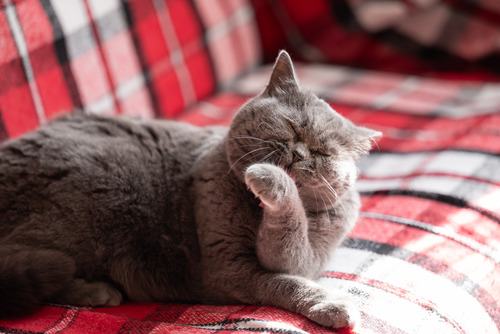
Cats use their tongues like natural combs, and this constant grooming causes them to swallow loose fur. Long-haired breeds, like Persians and Maine Coons, are more prone to frequent cat hairballs simply because they have more hair. Cats that groom obsessively may also ingest larger amounts of fur.
Shedding Cycles
During seasonal shedding, cats naturally lose more hair. This loose fur often ends up swallowed, increasing the likelihood of hairball formation.
Digestive Function
Some cats pass ingested hair without issue, while others may struggle to move the fur through their digestive system. Slower digestion can result in hair collecting in the stomach, where it eventually forms a cat hairball.
Environmental and Behavioral Factors
Stress, boredom, or skin conditions can cause cats to lick excessively, which adds to the problem. Overgrooming behaviors often lead to more frequent hairballs.
Signs Your Cat Has a Hairball
Most cat owners recognize the hacking, gagging, and retching noises that signal a cat hairball. While many episodes end with the expulsion of fur, not all signs are so obvious.
- Repeated gagging or retching without producing a hairball
- Loss of appetite or reduced interest in food
- Constipation or changes in litter box habits
- Lethargy or lack of energy
- Excessive grooming or licking
If these behaviors persist or your cat seems uncomfortable, it’s time to contact your veterinarian. Frequent cat hairballs may indicate that something more serious is happening internally.
How Are Cat Hairball Issues Diagnosed?
When hairballs become frequent or severe, veterinary evaluation is important. Your veterinarian may begin with a physical examination and discuss your cat’s grooming habits, diet, and environment.
Diagnostic Tools Used
- X-rays or ultrasounds: These imaging tools help identify blockages in the digestive tract.
- Bloodwork: Provides insight into overall health and can rule out systemic conditions.
- Behavioral assessment: Identifies whether excessive grooming is linked to stress or environmental triggers.
By evaluating the full picture, your veterinarian can recommend the best strategies for addressing your cat’s hairball concerns.
How You Can Help Prevent Cat Hairballs at Home
Although you can’t eliminate cat hairballs completely, you can take steps to reduce their frequency and make life easier for your feline companion.
Regular Grooming
Brushing your cat regularly reduces the amount of loose fur they ingest. Long-haired cats may require daily grooming, while short-haired cats often benefit from weekly brushing. This simple routine significantly cuts down on swallowed hair.
Diet and Nutrition
Certain cat foods are formulated to support digestive health and minimize hairball formation. High-fiber diets, in particular, help move ingested hair through the digestive tract.
Hydration
Encouraging your cat to drink more water supports healthy digestion and helps prevent hair from accumulating in the stomach. Pet fountains are often a good way to entice cats to drink more.
Enrichment and Stress Reduction
Cats that lick excessively may be stressed or bored. Adding toys, scratching posts, and climbing structures to your home can reduce stress-related grooming.
When Cat Hairballs Become a Concern
Occasional cat hairballs are a normal part of feline life. However, frequent or severe episodes can signal bigger issues.
Warning Signs That Require Veterinary Attention
- Frequent gagging without producing a hairball
- Visible weight loss
- Constipation or diarrhea
- Repeated vomiting that includes food or bile
- A sudden change in grooming habits
These signs could indicate that a cat hairball has caused a blockage or that another health condition is present. In these cases, prompt veterinary care is essential.
How Cat Hairballs Differ in Long-Haired and Short-Haired Cats
While any cat can experience hairballs, coat type plays a big role in how often they occur.
Long-Haired Cats
Breeds with long, thick coats are more susceptible to cat hairballs because their grooming sessions involve larger amounts of fur. They benefit most from daily brushing and hairball-control diets.
Short-Haired Cats
Although short-haired cats don’t shed as heavily, they still swallow hair when grooming. These cats may experience fewer hairballs, but prevention strategies remain helpful.
Supporting Your Cat’s Comfort and Health
Dealing with cat hairballs can be frustrating for both you and your pet, but understanding the causes and prevention strategies makes the process easier. Regular grooming, a supportive diet, and veterinary guidance all play important roles in managing this common feline issue. If your cat struggles with frequent cat hairballs or shows signs of discomfort, it’s time to seek professional care. Call Little Silver Animal Hospital at (732) 842-8266 or book an appointment online today. Our veterinary team in Little Silver, NJ, is here to provide compassionate care and help your cat feel their best.