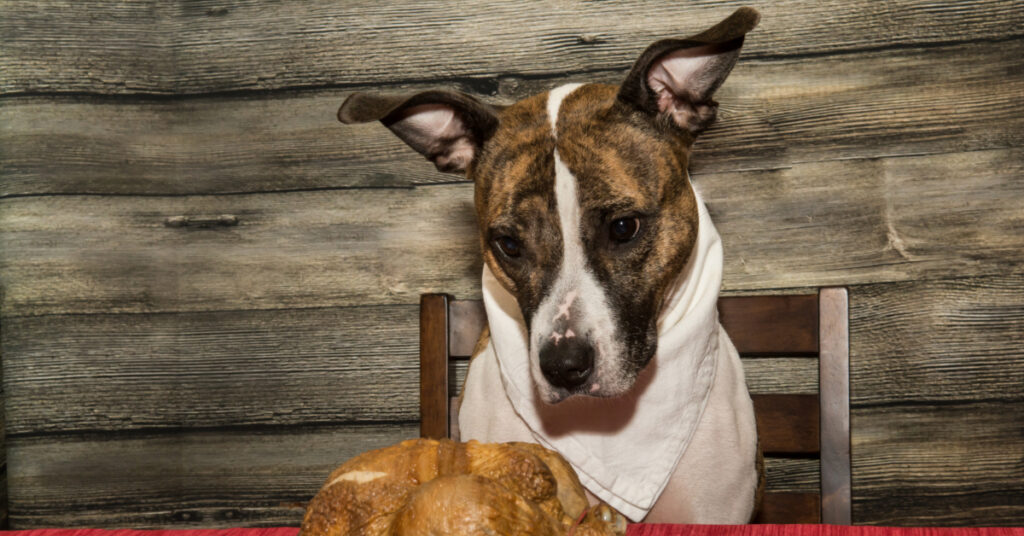
The smell of roasted turkey often fills the kitchen during holidays and family meals, and it is only natural for dogs to take notice. As they watch closely and wait for a bite, many pet owners start to wonder, can dogs eat turkey safely? The short answer is yes, dogs can eat turkey, but only when it is prepared in a simple, safe way and served in appropriate portions. Not all turkey dishes are created equal, and some common ingredients can cause problems for dogs. This guide walks through what you need to know so you can make informed decisions and feel confident about what goes into your dog’s bowl.
Can Dogs Eat Turkey?
Turkey can be a healthy protein option for dogs when served plain and fully cooked. It provides essential nutrients such as protein, vitamins, and minerals that support muscle development, energy levels, and overall health. Many high-quality commercial dog foods even include turkey as a primary ingredient, which reinforces its value as part of a balanced diet. When pet owners ask if dogs can eat turkey, they are often thinking about sharing leftovers, and that is where caution becomes important.
Not every form of turkey is safe for dogs. Seasonings, oils, butter, and marinades commonly used in human meals can upset a dog’s digestive system. Ingredients like garlic, onions, and certain spices can be harmful and should always be avoided. Even small amounts of heavily seasoned turkey may lead to gastrointestinal discomfort or more serious concerns depending on the ingredient. That is why plain, unseasoned turkey is always the safest option.
Portion size also matters when feeding turkey to dogs. While turkey can be a nutritious addition, it should not replace a complete and balanced diet. Too much of any new food, including turkey, can lead to digestive upset. Introducing small amounts and observing how your dog responds is always a thoughtful approach. If you have questions about diet changes, the team at Little Silver Animal Hospital in Little Silver, NJ can help guide you based on your dog’s individual needs.
How to Safely Feed Your Dog Turkey
Serving turkey safely involves more than simply setting aside a piece from your plate. The way turkey is prepared and presented makes a significant difference in how your dog tolerates it. When thinking about how to safely feed your dog turkey, focus on simplicity, portion control, and avoiding unnecessary additives.
Plain, cooked turkey without skin is the best choice. The skin often contains excess fat and seasoning, which can be difficult for dogs to digest. Removing it helps reduce the risk of stomach upset and keeps the serving leaner. White meat is typically preferred because it contains less fat than dark meat, though both can be offered in moderation if they are prepared correctly.
Best Practices for Serving Turkey
When offering turkey to your dog, a few simple guidelines can help keep the experience safe and enjoyable:
- Serve only fully cooked, unseasoned turkey
- Remove all skin and visible fat
- Cut turkey into small, manageable pieces
- Avoid gravy, stuffing, and sauces
- Offer turkey as an occasional treat, not a full meal
These steps may seem straightforward, but they play an important role in reducing potential risks. Even foods that are generally safe can become problematic when prepared with added ingredients or served in large amounts.
When Turkey May Not Be Ideal
While many dogs tolerate turkey well, some may have sensitivities or dietary restrictions that make it less suitable. Dogs with certain health conditions, such as those requiring low-fat diets, may not benefit from additional proteins outside their prescribed food. Puppies and senior dogs may also have different nutritional needs that require a more tailored approach.
If your dog has a history of food sensitivities or digestive issues, it is always a good idea to check in with your veterinarian before introducing new foods. The team at Little Silver Animal Hospital can provide personalized recommendations and help you determine whether turkey fits into your dog’s routine.
Can Dogs Eat Turkey Bones?
This is one of the most important questions pet owners ask, and the answer is clear: dogs should not eat cooked turkey bones. While it may seem natural for dogs to chew on bones, cooked poultry bones can splinter easily and pose serious risks. These sharp fragments can cause injury to the mouth, throat, or digestive tract.
When asking, “Can dogs eat turkey bones?”, it is important to understand the difference between raw and cooked bones. Cooked bones become brittle during the cooking process, which increases the likelihood of splintering. Even small pieces can lead to complications that require veterinary attention.
Risks Associated with Turkey Bones
Turkey bones can create several potential hazards for dogs, including:
- Choking or airway obstruction
- Damage to the teeth or gums
- Internal injury to the digestive tract
- Blockages that may require medical intervention
Because of these risks, it is always best to keep turkey bones out of reach. After meals, dispose of bones securely so your dog cannot access them from the trash. Being proactive about this can help prevent avoidable emergencies.
What About Processed Turkey Products?
Not all turkey products are the same, and many processed options are not suitable for dogs. Deli meats, smoked turkey, and pre-seasoned cuts often contain added sodium, preservatives, and spices. These ingredients can make processed turkey less appropriate for canine consumption.
When evaluating whether dogs can eat turkey in these forms, the answer is generally no. High sodium levels can contribute to dehydration and other health concerns, while preservatives and flavorings may irritate the digestive system. Even small portions of processed meats can have a greater impact than expected.
Turkey to Avoid Giving Your Dog
Some common turkey-based foods should stay off your dog’s menu:
- Deli turkey slices
- Smoked or cured turkey
- Turkey with garlic, onions, or heavy seasoning
- Turkey covered in gravy or sauces
- Stuffed or breaded turkey dishes
These options may be appealing, especially during holidays, but they are not designed with canine health in mind. Choosing plain, minimally processed turkey helps reduce unnecessary risks.
How Much Turkey Can Dogs Eat?
Moderation plays a key role in answering the question, “Can dogs eat turkey?” Even healthy foods can cause issues when served in large amounts. Turkey should be considered an occasional addition rather than a regular staple unless your veterinarian recommends otherwise.
A small portion mixed into your dog’s regular meal or offered as a treat is usually sufficient. The appropriate amount depends on your dog’s size, age, activity level, and overall health. Larger dogs may tolerate slightly more, while smaller dogs should receive only a few small pieces.
Signs Your Dog May Not Tolerate Turkey Well
After introducing turkey, it is helpful to observe your dog for any changes. While many dogs handle turkey without issue, some may experience mild digestive upset. Signs to watch for include:
- Changes in appetite
- Vomiting or diarrhea
- Lethargy or unusual behavior
- Increased thirst
If you notice anything unusual, it is best to pause and consult your veterinarian. Monitoring your dog’s response allows you to make thoughtful decisions about future treats.
When to Talk with Your Veterinarian About Your Dog’s Diet
Nutrition can feel complicated, especially when balancing treats, table scraps, and a complete diet. If you find yourself asking, “Can dogs eat turkey?” or questioning other human foods, you are not alone. These questions come up often, and they are worth discussing with a veterinary team that understands your dog’s unique needs.
At Little Silver Animal Hospital in Little Silver, NJ, the team works closely with pet owners to create practical, personalized nutrition plans. Whether you are thinking about introducing new foods or simply want reassurance about your dog’s current diet, a conversation can provide clarity and confidence. Call (732) 842-8266 or book an appointment online to speak with a veterinarian who can help you make informed choices for your dog’s health and well-being.