If you’ve ever leaned in for a cuddle and noticed your dog’s breath smells unusually strong, you’re not alone. Bad breath in dogs is one of the most common concerns pet owners mention during routine visits, and it often points to something deeper than what’s on the surface. In many cases, persistent bad breath is linked to gum disease, a progressive condition that affects a large percentage of adult dogs. The good news is that with the right veterinary care and ongoing attention, gum disease can be managed and even improved over time. Let’s take a closer look at what causes bad breath in dogs, how it connects to oral health, and what steps can help restore a fresher, healthier smile.
Why Does My Dog Have Bad Breath?
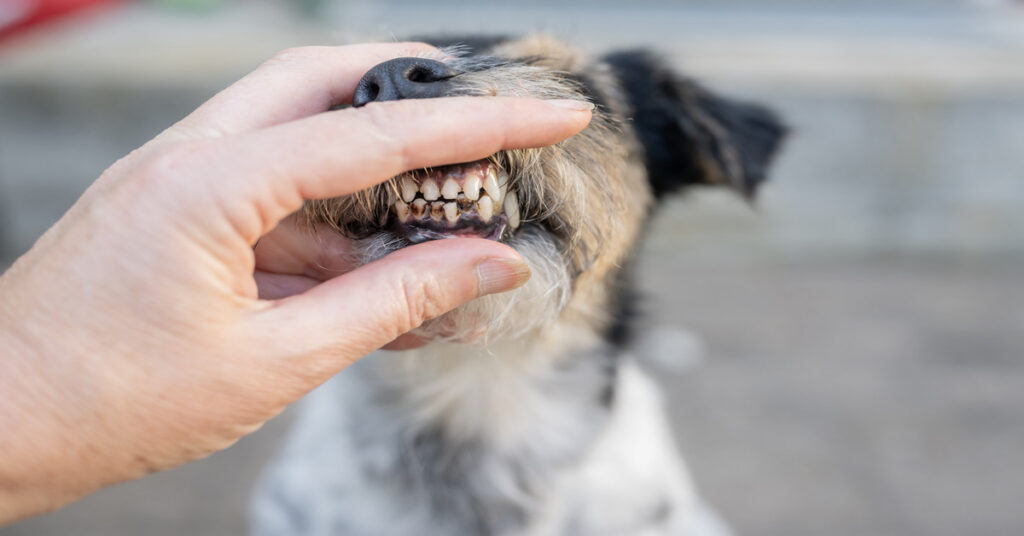
Bad breath in dogs, also known as halitosis, typically develops when bacteria build up in the mouth. While occasional odor after meals can be normal, persistent or worsening breath often signals an underlying issue. The most common cause is periodontal disease, also referred to as gum disease, which begins when plaque accumulates along the gumline and hardens into tartar. Over time, this buildup creates an environment where bacteria thrive, leading to inflammation, infection, and tissue damage.
As gum disease progresses, it affects more than just the teeth and gums. Bacteria can travel below the gumline, damaging the structures that support each tooth. This can lead to discomfort, tooth loss, and even impact other areas of the body if left unaddressed. That’s why recognizing the early signs of bad breath in dogs matters. A mild odor may seem harmless at first, but it often marks the beginning of a condition that can become more complex without timely care.
The Role of Plaque and Tartar
Plaque is a soft, sticky film made up of bacteria, food particles, and saliva. It forms on your dog’s teeth throughout the day. If plaque is not removed regularly, it hardens into tartar, which adheres firmly to the teeth and can only be removed through professional dental cleaning. Tartar buildup creates a rough surface that allows even more bacteria to accumulate, accelerating the progression of gum disease. This cycle contributes directly to bad breath in dogs, as bacteria release odor-causing compounds that become noticeable over time.
Early vs. Advanced Gum Disease
Gum disease develops in stages, and each stage presents different signs. In the early phase, you may notice mild redness along the gums, slight swelling, or subtle changes in your dog’s breath. At this point, the condition may still be reversible with professional care and improved oral hygiene. As the disease advances, symptoms become more noticeable. Dogs may develop significant bad breath, visible tartar buildup, bleeding gums, or difficulty chewing. In severe cases, teeth may loosen or fall out, and infection can spread to surrounding tissues. Understanding where your dog falls within this spectrum helps guide the next steps. Even if symptoms seem minor, early evaluation can make a meaningful difference in long-term oral health.
How to Get Rid of Your Dog’s Bad Breath
Addressing bad breath in dogs starts with identifying and treating the underlying cause. While it may be tempting to focus on masking the odor, lasting improvement comes from managing gum disease and reducing bacterial buildup. Veterinary care plays a central role in this process, along with consistent follow-up strategies tailored to your dog’s needs.
Professional Dental Cleanings
A professional dog teeth cleaning at Little Silver Animal Hospital is often the first and most effective step in addressing bad breath in dogs. During this procedure, your veterinary team removes plaque and tartar from both above and below the gumline. This thorough cleaning allows them to evaluate the health of the teeth and gums more closely and identify any areas of concern. By eliminating the primary source of bacteria, many dogs experience a noticeable improvement in breath shortly after treatment. Professional cleanings also create a clean slate for maintaining oral health moving forward. Without the hardened tartar in place, it becomes easier to manage plaque accumulation and reduce the risk of further progression.
Ongoing Oral Health Maintenance
Once a professional cleaning has been completed, maintaining oral health becomes the next priority. Consistency matters here, as plaque can begin forming again within hours. Your veterinary team may recommend a combination of approaches based on your dog’s age, breed, and dental condition. These may include dental diets, approved oral health products, and routine checkups to monitor progress.
It’s helpful to think of oral care as part of your dog’s overall wellness routine. Just as regular exams and vaccinations support long-term health, consistent attention to dental care helps reduce the likelihood of bad breath returning. Over time, this proactive approach can support healthier gums, stronger teeth, and a more comfortable daily experience for your dog.
Why Early Intervention Makes a Difference
Many pet owners wait until bad breath in dogs becomes severe before seeking care, but earlier intervention often leads to better outcomes. When gum disease is addressed in its initial stages, it is easier to manage and less likely to cause lasting damage. Early care can help preserve the integrity of the teeth and reduce the need for more extensive procedures later on. If you notice even subtle changes in your dog’s breath, it’s worth having a conversation with your veterinary team. A simple evaluation can provide clarity and help you plan the next steps with confidence.
When To Call Your Little Silver Vet
Knowing when to seek veterinary care for bad breath in dogs can make a meaningful difference in your dog’s comfort and health. While mild, temporary odor may not require immediate attention, certain signs indicate that a professional evaluation is needed.
Signs That Should Prompt a Visit
Bad breath in dogs is often accompanied by other symptoms that signal gum disease or oral discomfort. These signs may include visible tartar buildup, red or bleeding gums, difficulty chewing, pawing at the mouth, or a change in eating habits. Some dogs may also become less interested in food or show signs of irritability due to oral discomfort. If you notice any of these changes, scheduling an appointment allows your veterinary team at Little Silver Animal Hospital to assess the situation and recommend the most appropriate next steps. Addressing these signs early can help prevent further progression and support a more comfortable experience for your dog.
The Importance of Routine Dental Exams
Routine dental exams provide an opportunity to monitor your dog’s oral health over time. Even if your dog’s breath seems normal, underlying issues can still develop without obvious symptoms. Regular evaluations allow your veterinarian to detect early signs of gum disease and recommend preventive care before more advanced problems arise.
At Little Silver Animal Hospital in Little Silver, NJ, dental care is an important part of your dog’s overall wellness plan. Your veterinary team can guide you through what to expect, answer your questions, and help you make informed decisions about your dog’s oral health.
A Healthier Smile Starts with the Right Care
Bad breath in dogs may seem like a minor inconvenience, but it often points to gum disease that deserves attention. By understanding the connection between oral health and overall well-being, you can take meaningful steps to improve your dog’s comfort and quality of life. Professional dental care, consistent follow-up, and routine evaluations all work together to address the root cause of bad breath and support lasting results. If you’ve noticed bad breath in your dog or have questions about their dental health, the team at Little Silver Animal Hospital can assess your pet’s oral health and create a treatment plan best suited to their needs. Call (732) 842-8266 or book an appointment online to get started. Your dog’s smile is worth it.